
Oct-21-2026
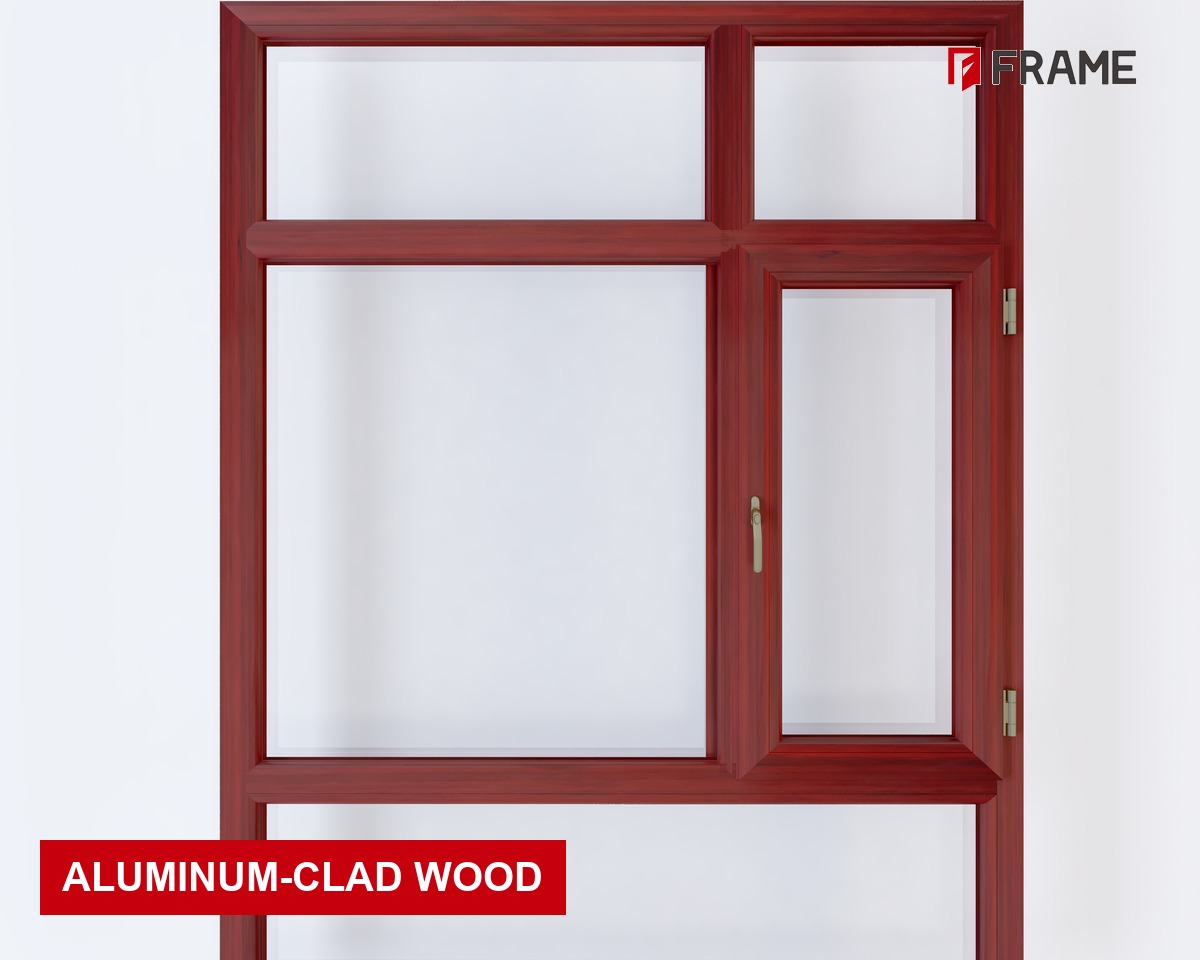
An aluminum-clad wood window pairs a weather-resistant aluminum shell on the outside with a warm wood-finish profile on the inside. The exterior takes the rain, the sun and the temperature swings; the interior gives your rooms the look and feel of timber. For buyers who want the warmth of wood without the upkeep of wood, this composite construction has become the premium middle ground. This guide explains how these windows are built, where they make sense, and what to check before you order.
The frame and sash are built in three functional layers:
Note the difference from a traditional timber window: the interior face here is not solid wood. It is a wood-fiber composite formed under heat and pressure, engineered to keep the timber appearance while removing the weaknesses that make natural wood difficult to live with in a window frame.
Compared with natural timber, the engineered wood-fiber interior used in this series:
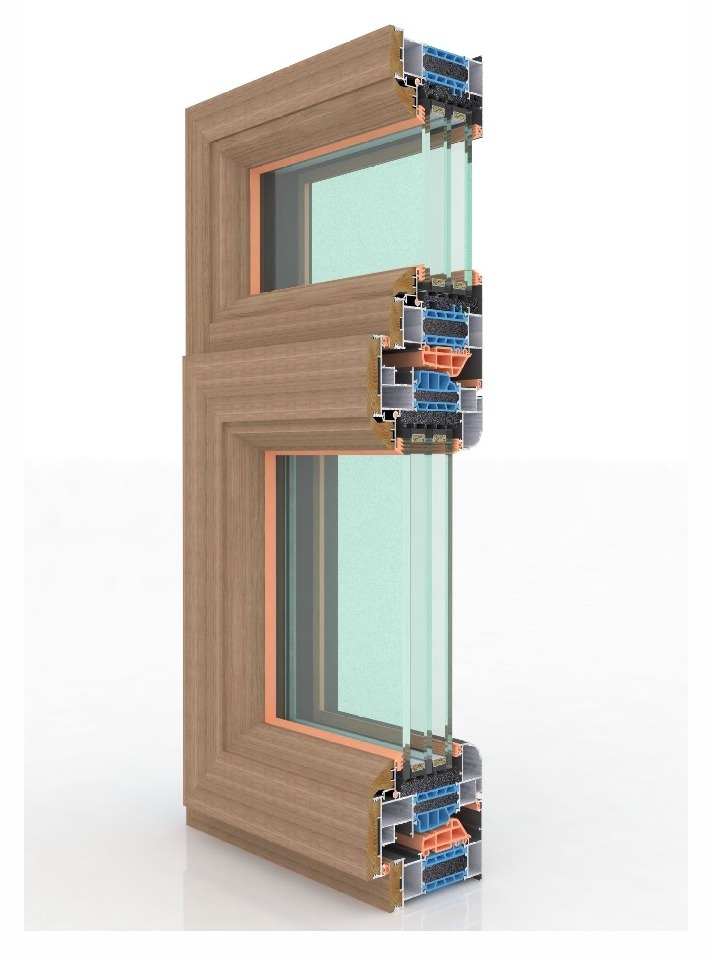
Aluminum conducts heat; wood barely does. By moving the indoor surface to a wood-fiber profile and keeping a thermal break between inside and outside, the frame stops behaving like a cold metal strip in winter, and condensation forming around the frame becomes much less likely. Combined with insulated glazing, the room holds a steadier temperature, and the window area stops being the coldest surface in the room.
| Item | Standard specification |
|---|---|
| Frame | Thermal-break aluminum alloy, 6063-T5, with PA66-GF25 insulation strip |
| Interior profile | Engineered wood-fiber composite, timber grain finish, no painting required |
| Exterior finish | Powder coating, any RAL color |
| Glazing | Tempered double insulating glass as standard; triple insulating glass available |
| Sealing | EPDM gaskets, multi-layer weather seal |
| Hardware | Stainless steel hardware with multi-point locking |
| Configuration | Casement, fixed and combination layouts, made to opening dimensions |
Triple glazing is worth specifying for colder regions, high floors and rooms that face a busy street, where the extra insulating unit earns its keep in comfort rather than in numbers on a page.
Interior woodgrain finishes include golden oak, teak and rosewood tones, with custom woodgrain colors available on request. Because the exterior is powder-coated aluminum, you can specify any RAL color on the outside — a gray facade outside and oak grain inside, on the same window.
Still deciding between this and other options? Compare it with our guides to window and door opening styles, casement vs sliding windows, awning windows and aluminum vs UPVC windows.
It is a composite window built from three layers: a powder-coated aluminum exterior shell that faces the weather, a thermal-break aluminum core that separates inside from outside, and an engineered wood-fiber interior profile that gives the room a timber grain face. You get aluminum’s weather resistance outside and wood’s warmth inside.
No. The interior is an engineered wood-fiber composite, not natural timber. It does not absorb moisture the way wood does, so it resists swelling, cracking and mildew, and it is unattractive to insects and termites. It never needs repainting — wiping with a damp cloth is the only maintenance.
Yes. Every window is made to order: custom sizes to your opening dimensions, casement, fixed and combination layouts, a choice of interior woodgrain tones, and any RAL color on the aluminum exterior. Send your window schedule for a quotation. See the aluminum-clad wood window product page for the full specification.
Talk to the FRAME team
Gloria — Sales 1
WhatsApp / WeChat: +86 152 2227 1818
Email: gloria@alloyframemaster.com
Lyra — Sales 2
WhatsApp / WeChat: +86 155 1095 9890
Email: lyra@alloyframemaster.com
Company Email: frame@alloyframemaster.com

