Aug-18-2026
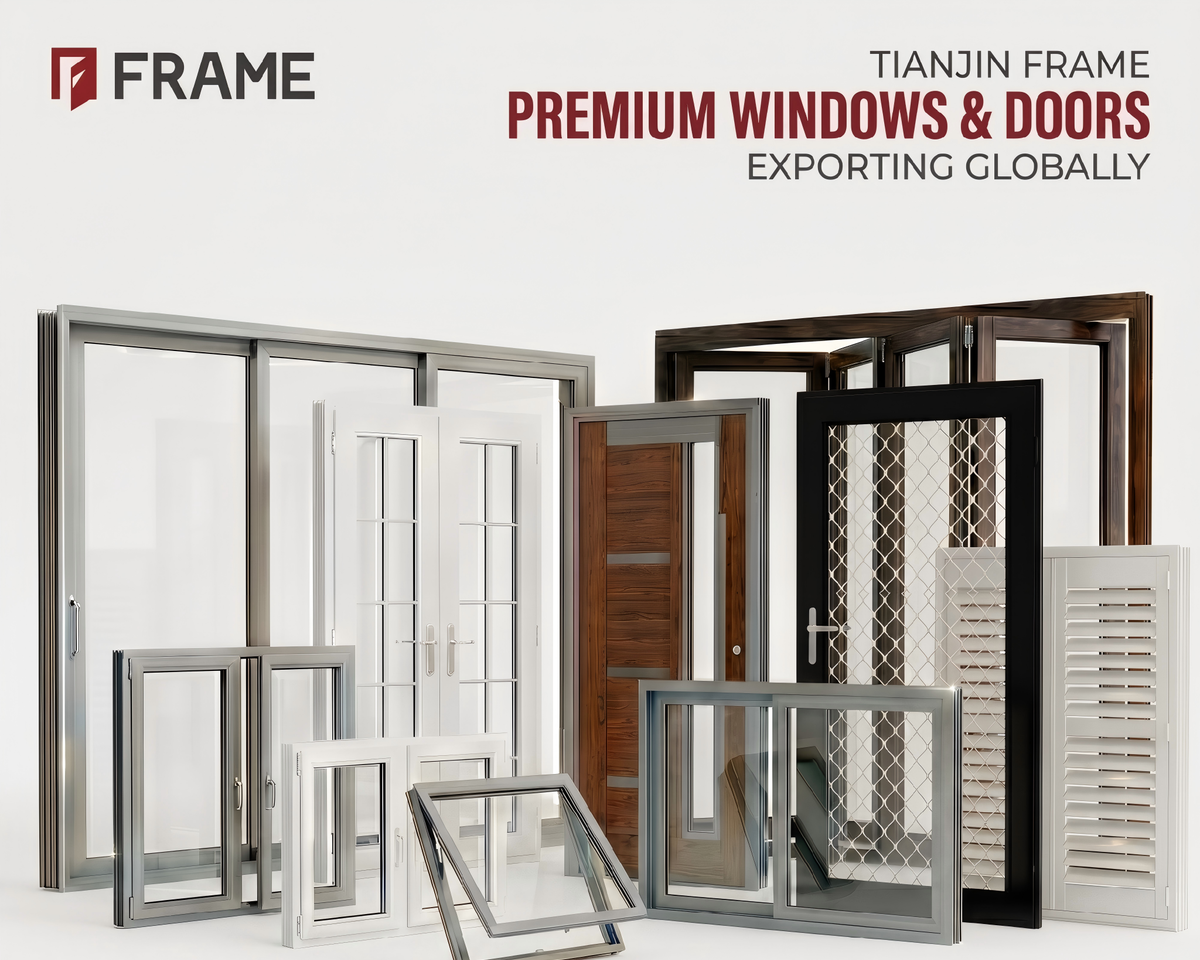
Practical checks for importers, contractors, and developers who want a factory they can trust — not a sales front.
Every month I talk to buyers who have wasted money, time, or both on the wrong aluminum window and door supplier. The story is usually the same: a slick Alibaba page, a fast quote, a sample that looked fine, and a production batch that arrived with bent frames, mismatched hardware, or glass that failed local thermal requirements.
The problem is rarely that China cannot manufacture good windows. It is that the buyer did not know how to separate a real factory from a repackager, or how to read the warning signs before the deposit left their account.
This guide is written from the manufacturing side. I run overseas projects for Tianjin Frame Metal Manufacturing, an aluminum window, door, curtain wall, and facade systems factory near Tianjin, China. We export to Europe, North America, the Caribbean, and the South Pacific. What follows is what I tell new clients before we quote them: the practical checks that filter out 90% of bad suppliers.
Trading companies are not evil. For small one-off residential orders, they can be easier to deal with than a factory because they bundle logistics and communication. But if you are an importer, contractor, architect, or developer, you need direct control over specifications, quality gates, and delivery. That means you usually want the factory.
How to tell the difference:
Chinese suppliers love to show wall after wall of certificates. Many are real. Some are irrelevant. A few are bought from bodies with no accreditation.
For aluminum windows and doors, the certificates that actually move the needle are:
At Frame, we keep originals of our CE and NFRC documentation available for client review. Any supplier that refuses to share certification details before an order is either hiding something or does not own the certificate.
Never select a supplier on price alone. Aluminum systems look similar in photos. The difference is in the wall thickness, the corner joint finish, the rubber gasket compression, the powder-coat adhesion, and the hardware torque.
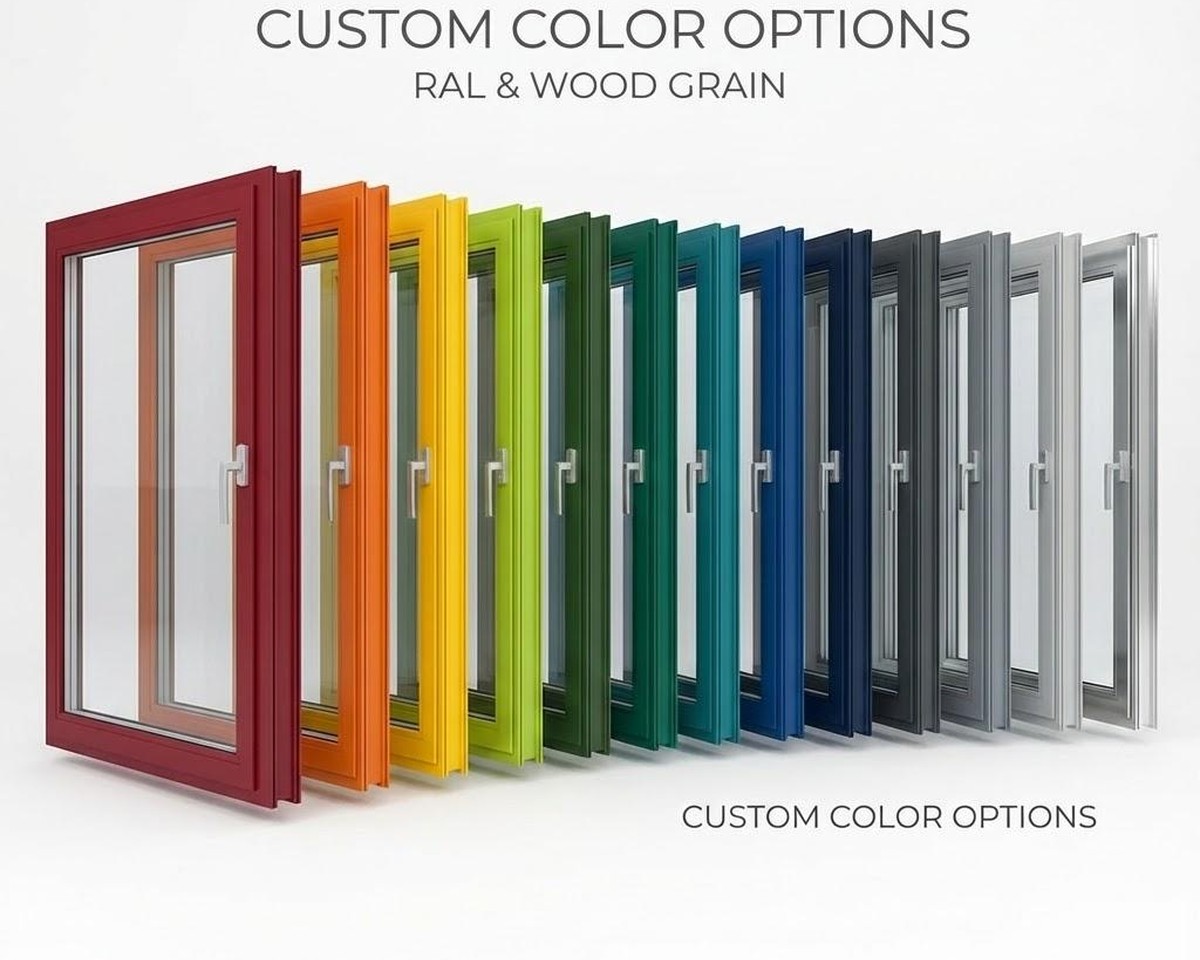
Custom RAL colors, wood-grain transfer, and anodized finishes should be available as physical samples before mass production.
When you request samples, be specific:
If a supplier pushes back on sample requests or quotes an unreasonable sample fee, treat that as a signal. A serious factory knows that samples convert long-term clients.
The biggest pricing trap in our industry is comparing two quotes for “aluminum casement window” that contain completely different specifications. One quote at $85/m² and another at $140/m² may both be honest — but they are not comparable.
Before you compare numbers, lock down:
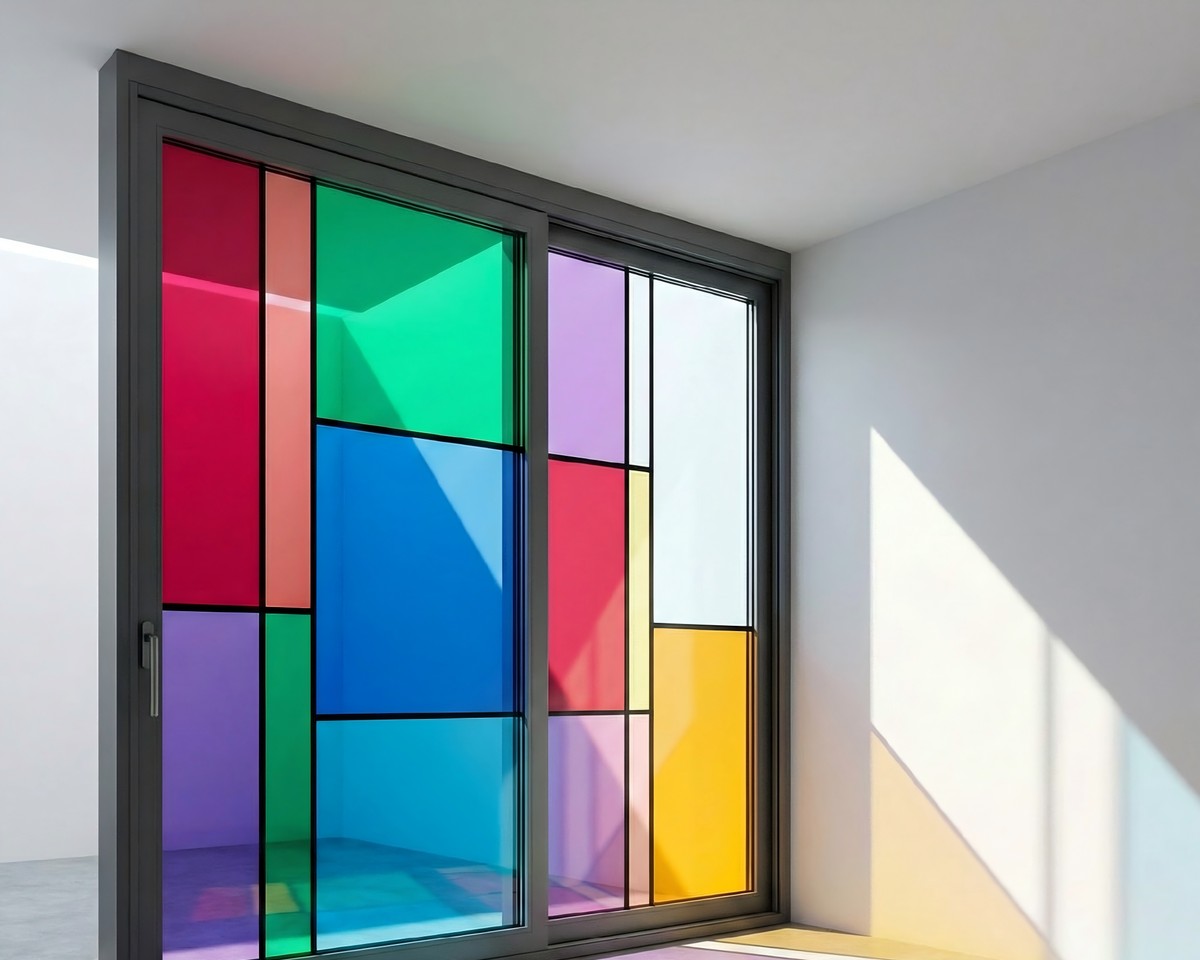
Glass selection — tinted, Low-E, laminated, or decorative — affects thermal performance, safety certification, and final price.
When Frame quotes a project, we quote per the full bill of materials, not a vague square-meter price. If a supplier will not do the same, you are buying blind.
Do not wait for the container to arrive to find problems. Build inspection points into the contract:
If you cannot fly to China, hire a third-party inspector — SGS, Bureau Veritas, or a local inspection agency — for the final random inspection. The cost is usually under $400 and will save you multiples of that on rework.
For a first order, never agree to 100% prepayment. A reasonable structure is:
Use a clear Incoterm. FOB Tianjin or CIF your port is normal for window shipments. DDP is possible but only after you trust the supplier’s customs and last-mile capability.
Also confirm the real production lead time, not the salesman’s optimistic guess. For a standard aluminum window project, 30–45 days production plus 7–10 days packing is realistic. Anything under three weeks should make you suspicious.
The best suppliers ask about your project before they quote. They want to know:
A supplier that only sends a price list and asks “how many square meters?” will leave you alone with the hard questions.
If you are evaluating Chinese aluminum window and door manufacturers right now, run each candidate through this checklist. The suppliers that pass are the ones worth a sample order.
Need a factory audit, sample set, or project quotation?
At Tianjin Frame, we supply aluminum windows and doors, curtain walls, uPVC systems, and integrated building envelope solutions to contractors, developers, and distributors. We have a Bulgarian entity for EU project support and a Guyana entity for Americas coordination. Contact us and we will respond within one business day.