Nov-22-2026
A window package for a European project is usually checked twice: once by the architect against the specification, and again by the installer when the crates are opened on site. By that point, most of what can go wrong has already been decided.
This article covers the systems we supply for European projects, what we review before quoting, how an order runs from drawing approval to loading, and the support we are establishing in Sofia. If you already know which system you need, the product pages are a faster route.
Folding windows and doors, sliding systems, hung windows, casement and tilt-and-turn windows, aluminum-clad wood, curtain wall and storefront framing, together with the railings and louvers that often accompany them. Few projects use a single system: a residential block may have sliding units on the balconies, tilt-and-turn windows inside, and a storefront at the lobby.
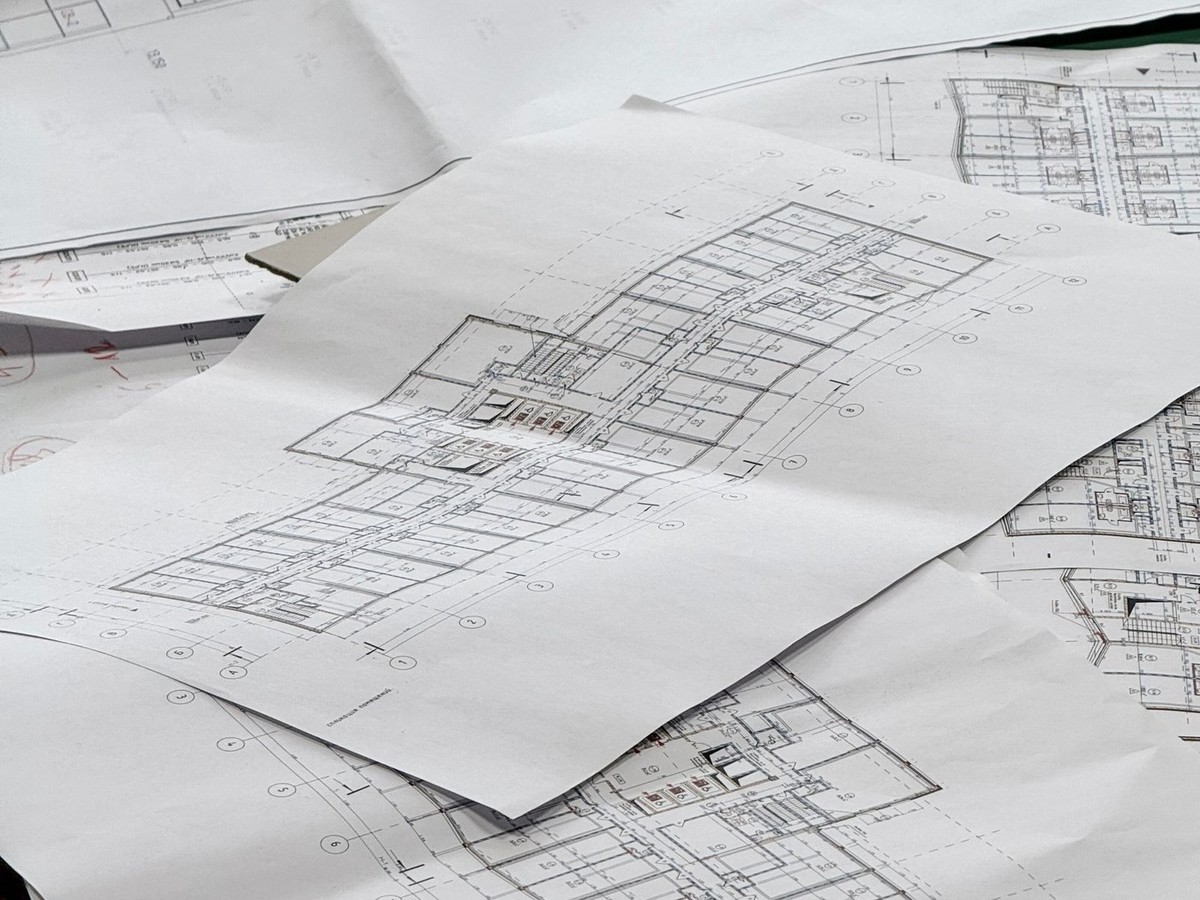
Dimensions and sightlines are taken from the architect’s drawings. Where a sightline is fixed, the profile and the glass build-up are selected around it. The folding window guide and the aluminum-clad wood guide go further into two of the systems that come up most often in residential work.
Five factors determine the price: the size of the opening, the weight per sash, the wind load on that elevation, the glass build-up, and the method of fixing back to the structure. Hardware follows from the opening type. A change to any one of these changes the price, which is why two projects with similar schedules of openings can be quoted at different figures.
Where the design is likely to cause difficulty later, we raise it before the deposit rather than after: a sash too heavy for the hinges specified, a mullion that requires a steel insert, a sill that will hold water on a west elevation.
Drawings are confirmed and signed off before cutting begins. If the client wants to see a corner section first, samples can be sent before that stage. Production, inspection, packing and loading follow.
One person at our end is responsible for the file from the first quotation to the last shipping document. When something changes on site, which it usually does, there is a single point of contact rather than a general mailbox.

A showroom is being set up in Sofia, with a team to be based there. Its purpose is straightforward: a customer can examine profiles, corner samples and a finished unit rather than ordering from photographs, and can meet us in the same time zone.
Until it opens, samples are sent out and meetings are held by video. That is how the projects we have handled so far have been run, and how those starting before the showroom is ready will be run.
From Sofia we cover projects throughout the EU.
European projects come with a document list: declaration of performance, test reports, material certificates, and certificates for timber packing. Send the list with your enquiry and we will go through it item by item, confirming in writing what can be supplied for that project and what cannot.
It is better to establish this at quotation stage than after the goods have shipped.
Which countries do you deliver to? Projects throughout the EU. Tell us the destination and the shipping terms you require.
Can you provide CE documentation? It depends on the project and the market. Send the requirement list and we will answer it line by line before the order.
Can we see samples first? Yes. Corner samples and finish swatches can be sent before the quotation is finalised.
What do you need to start? Drawings, a schedule of openings, or a photograph of the building with dimensions marked. We will come back with questions first and a price after that.
Talk to the FRAME team
Gloria — Sales 1
WhatsApp / WeChat: +86 152 2227 1818
Email: gloria@alloyframemaster.com
Lyra — Sales 2
WhatsApp / WeChat: +86 155 1095 9890
Email: lyra@alloyframemaster.com
Chris — Sales 3
WhatsApp / WeChat: +86 155 1095 9079
Email: chris@alloyframemaster.com
Company Email: frame@alloyframemaster.com